
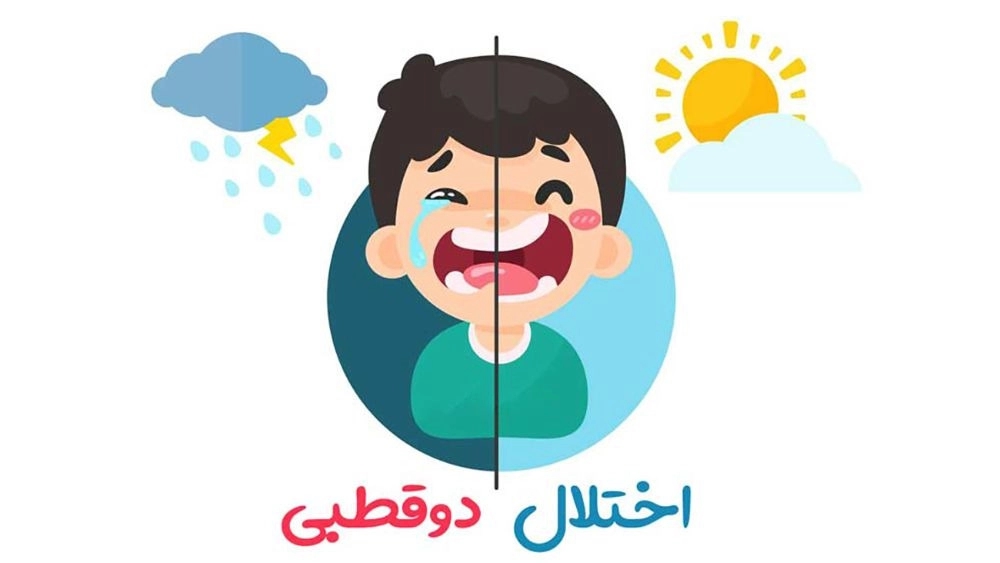
Bipolar disorder (or mania-depression) is a type of mood disorder and mental illness. People suffering from this disease experience severe mood changes that sufferers of this disorder experience two distinct phases: depression phase and mania phase. A person with bipolar disorder has severe mood swings. These fluctuations usually last for weeks or months and are very different from what normal people experience in their daily life. Depressed mood: intense feeling of depression Manic mood: feeling very happy and hopeless Mixed mood: for example, depressed mood with restlessness and overactivity caused by mania. This disease has different types, the most important types of which are bipolar disorder type 1 and bipolar disorder type 2.
The difference between these two disorders is the existence of a manic period; In type one, this condition occurs, but in type two, it appears in a milder form, which is semi-mania. The onset of the disease is usually with a period of depression, and after one or more periods of depression, the period of mania appears. In a smaller number of patients, the onset of the disease is manic or semi-manic. In bipolar disorder type 1, there is at least one episode of manic mood for a week. Although most sufferers also experience a period of depression, some of them only experience a period of mania. Manic episodes without treatment last between 3 and 6 months. Depressive episodes can last for 6-12 months if left untreated. In bipolar disorder type 2, there is more than one episode of severe depression, while the intensity of manic mood is low. This type is called mild mania (Hypomania).
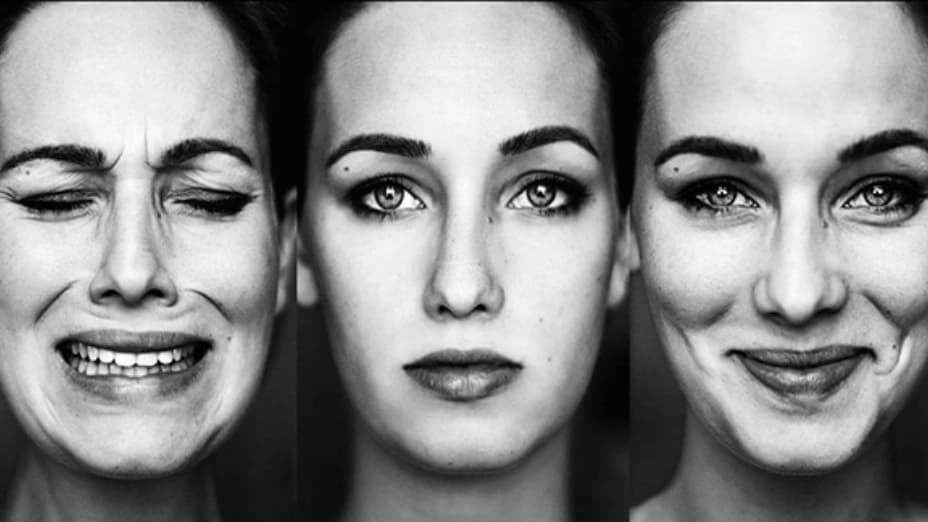
The exact causes of bipolar disorder are unknown, but several factors play a role in the development and formation of this disease, including: Biological differences: Researchers believe that obvious physical changes have been seen in the brains of people with bipolar disorders. . The impact and importance of these changes in the occurrence of this is still unclear, but eventually it can help in discovering the exact cause of this disease. Neurotransmitters: An imbalance in brain chemicals or neurotransmitters plays a significant role in bipolar disorder and other mood changes.
Hormones: Hormonal changes may also be involved in the development or stimulation of this disease. Inheritance: Bipolar disorder is more common in blood relatives (such as siblings or parents). Researchers are trying to find the gene that is effective in the occurrence of this disease. Environmental factors: Stress, aggression or bitter and traumatic experiences in a person's life may play an important role in bipolar disorder. Manic episodes are the hallmark of bipolar disorder. This disease is classified according to the severity of this period. Affected patients may suddenly fall from the peak of happiness to the peak of sadness and there is no connection between the patient's mood and what is really happening in the patient's life. A manic episode can vary in intensity from mild mania (semi-mania) to full mania with insane symptoms such as hallucinations or catatonia. During this period, the concentration decreases, the need for sleep decreases, and the patient gets the illusion of a big nose. The patient's judgment may be impaired and he may engage in unusual extravagances or abnormal behaviors.